Sol Plaatje University (SPU) is the first and only university in South Africa to hold a New Generation of Academics Programme (nGAP) post in South African Sign Language (SASL), as confirmed by the Department of Higher Education and Training (DHET).
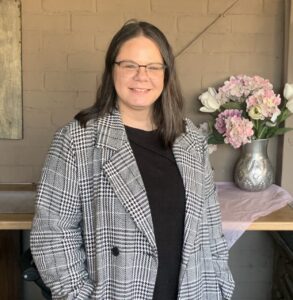
The post will be filled by Ms Hazel Sivell, who joins SPU on 1 July 2026. Her appointment strengthens the University’s growing work in language, access and inclusion, and adds academic capacity in an area of national importance.
The nGAP is a DHET initiative that supports the development of a new generation of academics at South African universities. For SPU, the appointment builds specialised capacity in South African Sign Language, now an official South African language. Strengthening SASL is closely aligned with the University’s ideal of true multilingualism being reflected in teaching, learning, research and community engagement, as voiced in the Vice Chancellor, Prof Meyer’s installation priorities.
Ms Sivell returns to familiar ground. She taught sign language at SPU for almost four years before joining Interpreting Services at the University of the Free State (UFS), and now registered for a PhD at UFS with a focus on interpreting. During her time at SPU she taught Conversational Sign Language in both the Faculty of Humanities and the Faculty of Education, so her return brings together academic experience, interpreting practice and direct knowledge of SPU’s existing SASL offering.
SPU currently offers Conversational Sign Language modules in the Humanities and Education faculties, along with short courses in SASL at beginner, intermediate and advanced levels. Further developments are planned, including a Higher Certificate in South African Sign Language expected in 2027, SASL within the new Bachelor of Arts in Applied Language Studies, and, in future, a diploma or certificate in sign language interpreting and postgraduate programmes in SASL.
The appointment forms part of SPU’s broader effort to expand academic offerings that respond to societal needs, strengthen access and inclusion, and grow South Africa’s specialised language capacity.
