
Sol Plaatje Memorial Week 2026
Sol Plaatje University (SPU) commemorates 150 years since the birth of Solomon Tshekisho Plaatje through Sol Plaatje Memorial Week, taking place from 5 to 10 October 2026. This secure form enables guests, partners and supporters to make payments for the commemoration activities or contribute to SPU’s Endowment Fund.
Events
Discover upcoming lectures, exhibitions, conferences, cultural celebrations and public events taking place at Sol Plaatje University.
Solomon Plaatje Heritage Lecture
15 October 2026 | 18:00 | SPU Main Campus
Join us for an engaging public lecture exploring the life, work and enduring legacy of Solomon Tshekisho Plaatje. The evening will bring together academics, researchers, students and members of the public for discussion and reflection.
Plaatje Heritage Exhibition
22 October – 20 November 2026 | SPU Library
Explore a curated exhibition celebrating Plaatje’s contribution to literature, journalism, education and South African history. The exhibition features archival material, photographs, publications and other historical resources.
Photos
Articles
Explore stories, insights and perspectives covering the latest developments, research, events and initiatives at Sol Plaatje University.
Donation
Help preserve and promote the legacy of Solomon Tshekisho Plaatje by supporting initiatives that celebrate his contribution to education, literature, culture and South African history.
Your contribution can help support the continued development of programmes, activities and resources that honour Plaatje’s enduring legacy.
Biography
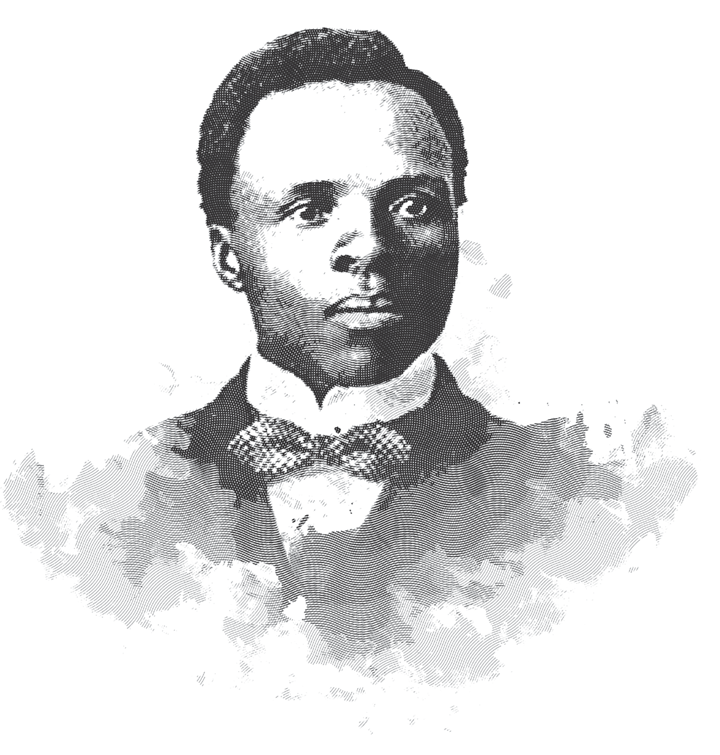
Solomon Tshekisho Plaatje, a teacher, court interpreter, newspaper editor and journalist, linguist, writer and novelist, was one of the most gifted and versatile Black South Africans of his generation.
He devoted his many talents to one overriding cause: the struggle of African people against injustice and dispossession.
Early Life & Education
He was born on 9 October 1876, in Podisetlhogo (Doornfontein) in the Boshof district in the Free State, to Martha Lokgosi and Johannes Kushumane Plaatje.
He was taught at the Berlin (Lutheran) Mission School in Pniel near Kimberley where he remained for several years as an assistant teacher while studying further.
In 1894, he departed for Kimberley where he sat for, and distinguished himself, in the Civil Service examinations in advanced typing and High Dutch.
Literary & Journalistic Beginnings
Plaatje joined the South African Improvement Society in 1895 which was initially founded to help Africans master the English language but became a foundation for intellectual and political activism and it was there that Plaatje’s literary interest was ignited.
In 1898 he married Elizabeth Lilith M’Belle, a sister to his friend Isaiah Bud M’Belle and took up a temporary position as a court interpreter in Kimberley.
Since advancement in the Civil Service was closed to him, and with a natural affinity for words, Plaatje turned to journalism.
He established the first Setswana-English weekly, Koranta ea Becoana, which he edited for seven years in Mafikeng until it went out of business.
The Siege of Mafikeng
Shortly after Plaatje’s arrival in Mafikeng in 1898, the South African War broke out and Mafikeng was under siege. Plaatje began writing a diary of the daily events during the Mafikeng Siege.
During the Siege of Mafikeng Plaatje made inroads into the field of journalism by taking on typing for Vere Stent, a Reuters war correspondent.
Plaatje also did interpreting for international war correspondents who did not have a grasp of the local languages. He published his first articles in the Mafeking Mail.
Return to Kimberley & Journalism
In 1910 Plaatje moved back to Kimberley where a wealthy group of Barolong men from Thaba Nchu, including Kgosi Nyokong and Reverend Goronyane, funded the establishment of a new paper, Tsala ea Bechuana (Batswana’s Friend). Plaatje was appointed as the editor.
Political Leadership & Advocacy
The South African Native National Congress (SANNC), the forerunner to the African National Congress (ANC), was formed in 1912 and Plaatje was chosen as its first Secretary General.
An articulate opponent of tribalism, he exemplified the new spirit of national unity among a small group of mission-educated African intellectuals.
SANNC’s first major campaign was against the Land Act of 1913, which drastically curtailed the right of Africans to own or occupy land throughout the Union of South Africa.
In 1914, he was a member of the deputation to England responsible for appealing to the British Government to repeal the Act.
In 1918, at the end of First World War Plaatje was part of a second delegation of the SANNC to England where he remained until 1920. Just before departing for England, Plaatje established The Diamond Fields Men’s Brotherhood Movement in Kimberley.
Canada, America & Literary Work
Plaatje left England in 1920 for Canada after being refused a visa to the United States by the American Embassy, at the request of the South African government.
He addressed various gatherings in Canada under the auspices of the Canadian Brotherhood Movement. Plaatje also completed Mhudi, and the Setswana translations of Shakespeare’s The Comedy of Errors and The Merchant of Venice.
When Plaatje eventually arrived in America he met with prominent Black leaders such as Marcus Garvey, President of the Universal Negro Improvement Association, and W.E.B. Du Bois, the leader of the National Association for the Advancement of the Coloured People.
He also met with J. E. Bruce, editor of Negro World, who had been to Mafikeng where he had written for Koranta ea Bechuana.
Plaatje returned to England in 1922. En route he translated Shakespeare’s Othello into Setswana.
Return to South Africa
Upon his return to South Africa in 1923 he found himself on the political peripheries, and his family in dire financial straits.
Plaatje tried unsuccessfully to revive his political career. He toured the South African rural areas with his films that he obtained in England which were known as Plaatje’s Bioscope.
A well-known teetotaler, Plaatje joined the Independent Order of True Templers. He was also voted the vice-president of the Cape Native Voters’ Association. In 1929 Plaatje was nominated to serve on the Central Orthography Committee.
Final Years & Legacy
In acknowledgement of his accomplishments and as a belated fiftieth birthday present, a house at 32 Angel Street was donated to him by the people of Kimberley.
A few months before celebrating his fifty-sixth birthday in 1932, Plaatje died of pneumonia in Pimville near Johannesburg, while on a working visit.
His funeral was held three days later in Kimberley where he is buried at the West End Cemetery.