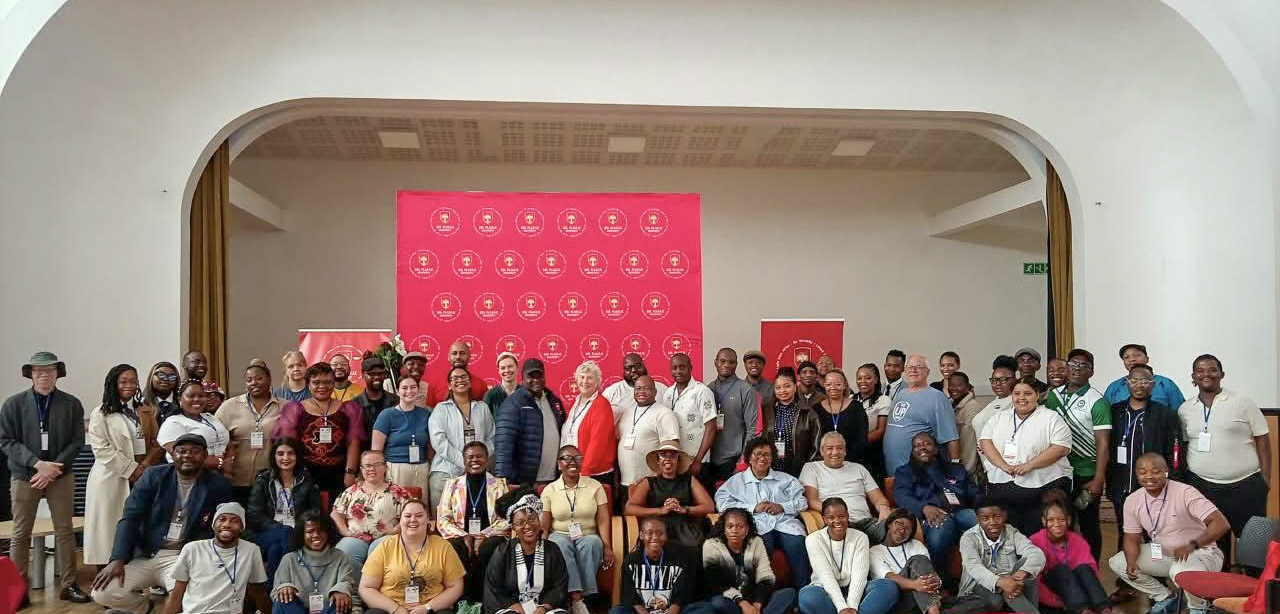
The Faculty of Education at Sol Plaatje University (SPU) hosted the 40th Annual Conference of the South African Society for History Teaching (SASHT) under the theme, Teaching, Learning, and Remembering the 1976 Soweto Uprising 50 Years On. The conference, which took place from 30 September to 2 October 2026, brought together educators, researchers, curriculum specialists, heritage practitioners and students to unpack the 1976 Soweto Uprising, one of South Africa’s key defining moments in its educational and political history.
In his opening address, Prof Raymond Fru, Head of the Department of Human Sciences Teaching welcomed participants and reflected on the significance of the conference for both the city and the University. “Kimberley is renowned for its warm hospitality. It is an honour to host you in-person in this historic city, and at a university named after Solomon Tshekisho Plaatje. This adds weight to our discussions about whose knowledge, language, and history is recognised,” he said.
Prof Dipane Hlalele, Dean of the Faculty of Education, congratulated SASHT on reaching its 40th annual gathering and reiterated the Faculty’s dedication to training History teachers. He urged delegates to use their time at the conference to consider how the lessons of 1976 continue to influence teaching and learning in contemporary classrooms.
In a deeply personal reflection, keynote speaker Mrs Antoinette Sithole, sister of Hector Pieterson, the schoolboy whose death on 16 June 1976 became the enduring image of the uprising, recounted how the events of that day unfolded. She referenced the famous photograph in which she appears beside her brother, and raised the unanswered questions surrounding Mbuyisa Makhubo, the young man who carried Hector, whose whereabouts remain unknown. She emphasised the lasting transformation the 1976 uprising brought to the country’s education landscape. “Our contribution was for generations to come. If it wasn’t for the 1976 Soweto Uprising, we wouldn’t be seeing the change we see today,” she said.
The presentations at the conference linked 1976 to present-day classrooms through themes such as curriculum and epistemic justice, memory and historical consciousness, youth agency and protest history, oral history, heritage and commemoration, teacher education and assessment. Paper presentations revisited the 1974 Afrikaans Medium Decree, which sparked the uprising, and explored translanguaging in History classrooms. Fitting for a conference about a youth-led uprising, young people were given the stage to contribute to the conference discussions. Matric learners from Emang Mmogo Comprehensive School in Kimberley shared how the Soweto Uprising is represented in their History curriculum. SPU’s pre-service History teachers reflected on becoming a History teacher today, their experiences in schools during teaching practice, and the curriculum they will soon be teaching.
The final day turned to the subject’s future. A panel of academics and teachers explored the draft African-centred school History curriculum, considering Africanisation, assessment, pedagogy and school readiness. Panelists noted that the draft curriculum will challenge the way History is taught and will require careful preparation of teachers.
The conference concluded with a heritage tour of Galeshewe, which highlighted the significance of the Mayibuye Uprising and Robert Sobukwe’s legacy in Kimberley’s history. Delegates also enjoyed a feast of African cuisine at Motswako Pub & Grill in Galeshewe.
Prof Hlalele said the 40th SASHT Conference placed SPU and the Northern Cape at the centre of the national conversation on History teaching. He added that the conference is hosted in the year that also marks 150 years since the birth of Solomon Tshekisho Plaatje. “The 40th SASHT Conference also affirmed the Faculty of Education’s growing role in preparing History teachers and advancing research on how the past is taught and remembered,” he said.
