As artificial intelligence (AI) is increasingly becoming integrated in business operations, teaching and learning, and research, a deeper understanding of this transformative technology and its opportunities and implications for society is needed.
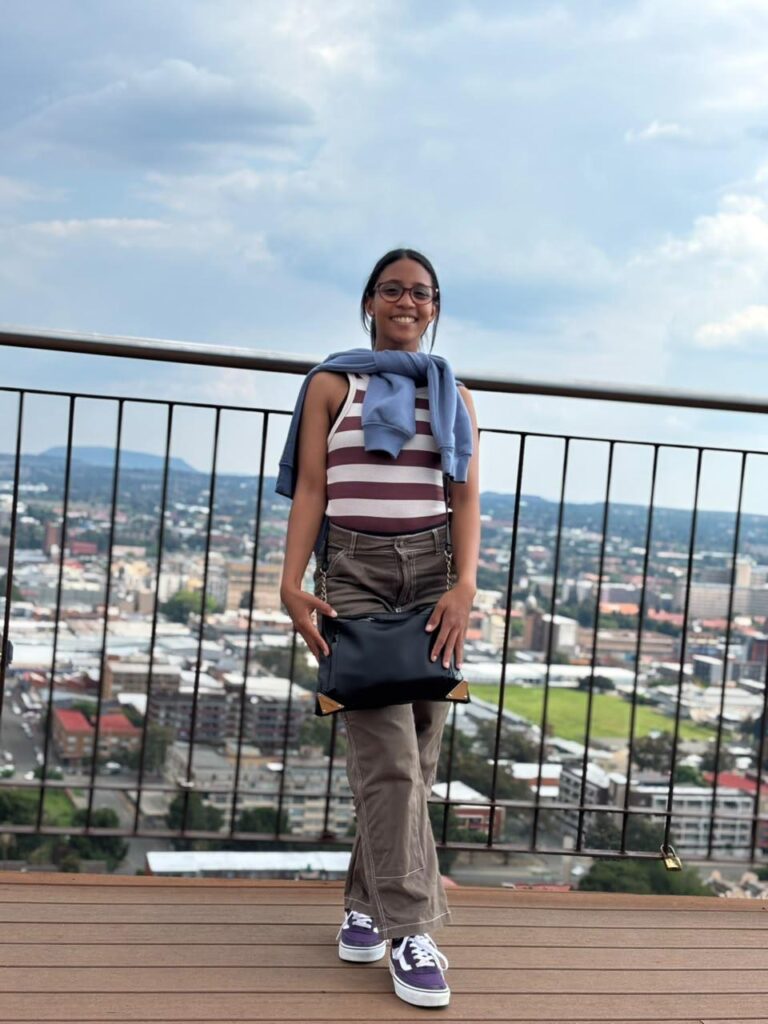
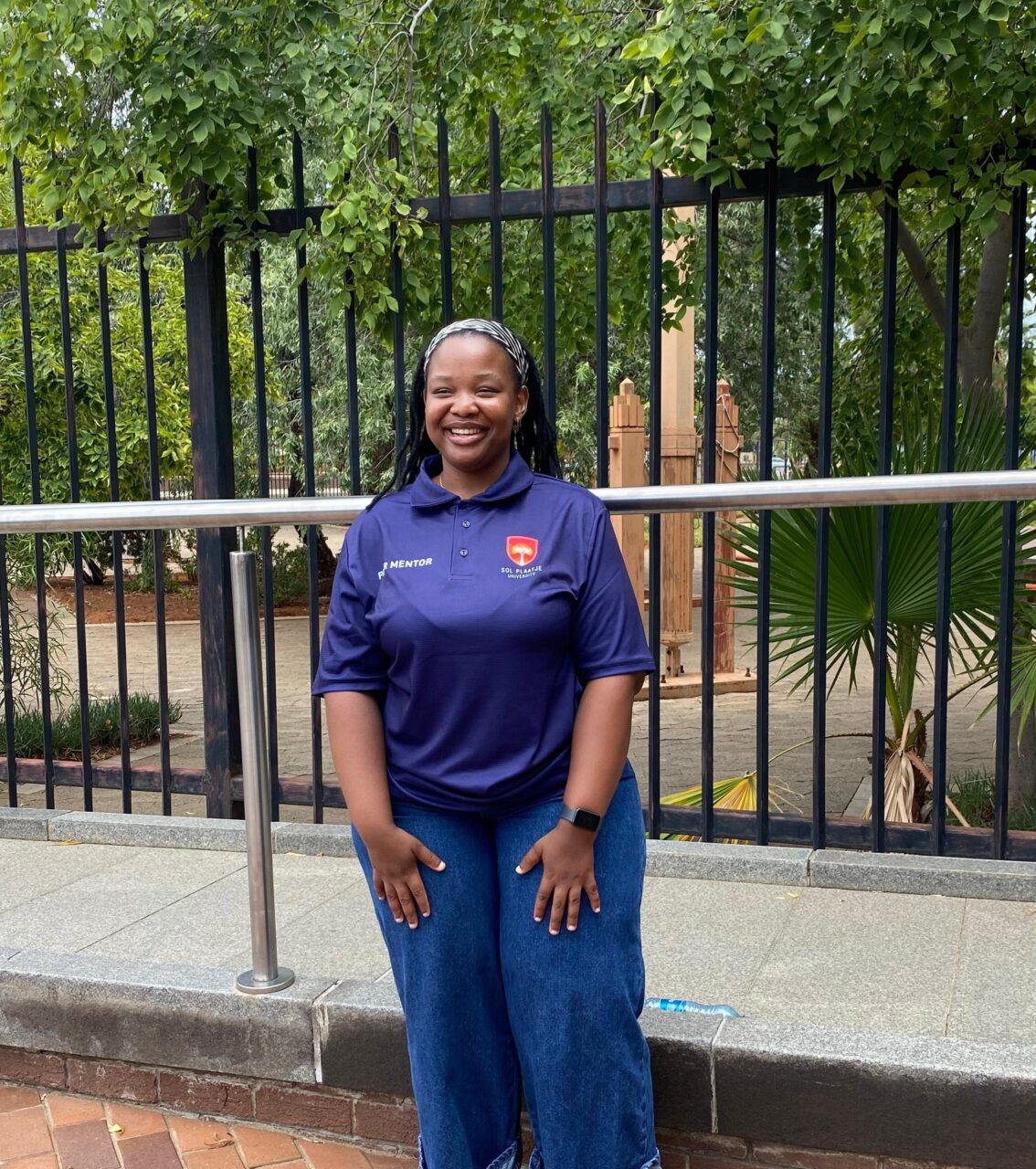
Two Sol Plaatje University (SPU) students, Samantha Virginia Snyman and Mahlatse Moretsele will have the opportunity to learn more about AI in the United States (US) from form 15 to 20 November 2026. The duo has been selected to the Presidential Artificial Intelligence Learning Visit to the to the US. They join a national cohort drawn from universities and, Technical and Vocational Education Training colleges across the country.
Their selection places two distinct but complementary areas of study, education and Data Science, within a broader conversation about the role of AI and innovation in shaping emerging technologies. This international learning opportunity represents not only an important personal and academic milestone, but also an opportunity to represent SPU on an international platform.
Master’s in ICT Education student and educator at Pescodia Primary School, Snyman’s academic interests include Natural Sciences, technology and innovative approaches to teaching and learning. Her research journey has focused particularly on how educational technologies can make scientific concepts more accessible and engaging for learners.
During her Honours research, she investigated the role of educational science board games in enhancing formative assessment in Grade 5 Natural Sciences. Her Master’s research currently explores the use of a digital game-based learning tool to support the teaching and learning of sound in Grade 4 Natural Sciences, with particular emphasis on under-resourced school contexts.
Snyman says she was elated to learn of her selection to be part of the AI international learning visit. “My first reaction was a mixture of excitement, gratitude and disbelief. Being selected for an opportunity of this magnitude is both humbling and inspiring,” she said.
Sharing her views on AI in teaching she added: “AI should support rather than replace the professional role of teachers. Teaching involves much more than delivering information. It requires relationships, empathy, cultural understanding, classroom management and the ability to respond to learners’ emotional, social and educational needs.”
She believes that challenges such as limited internet connectivity, access to digital devices, electricity interruptions and unequal access to digital education need to remain central to conversations about AI adoption in South Africa.
For Moretsele, a third-year BSc in Data Science student and Chairperson of the SPU Data Science Club, the Presidential AI Learning Visit represents an opportunity to engage with a rapidly developing field that is closely connected to her studies and future ambitions.
Her academic journey has equipped her with foundations in programming, statistics, mathematics and machine learning, while her student leadership and mentorship activities have strengthened her interest in creating opportunities for other students.
“Being selected to be part of a Presidential delegation and to engage with some of the world’s leading minds in technology is surreal,” describes Moretsele. “This selection reflects the hard work, commitment and effort I have invested in my academic journey and personal development over the years.”
She hopes to gain insight into how technological innovation is supported by entrepreneurship, research and collaboration, as well as how organisations move from developing new technologies to implementing solutions that can have a wider impact. Beyond the knowledge she looks forward to building meaningful connections and gain perspectives she can bring back to the University and use this encourage other students to explore opportunities within AI and technology.
Moretsele believes her participation in the learning visit will help to stimulate conversations about AI and emerging technologies and encourage students to pursue opportunities in research, competitions, industry engagements and collaborative projects. “For AI to contribute meaningfully to South Africa’s development, its benefits must be accessible to everyone. Addressing the digital divide, protecting data privacy, strengthening cybersecurity and preventing algorithmic bias will be crucial, while continued investment in education and digital skills will help prepare young people for a rapidly changing, technology-driven workplace,” she explained.
Moretsele hopes the visit will broaden her understanding of the relationship between technological innovation, entrepreneurship, research and collaboration.
Both believe universities and students have an important role to play in creating, researching and critically engaging with technologies that respond to South Africa’s particular social, economic, cultural and educational realities and the students intend to ensure that the benefits of the visit extend beyond their individual experiences.
As Snyman and Moretsele prepare to represent SPU in the US, they carry with them different academic interests but a shared purpose; to learn, contribute and help ensure that the future of artificial intelligence includes the ideas, experiences and aspirations of young South Africans.
Above all, their selection showcases students as active participants in conversations about the technologies that will increasingly shape society.