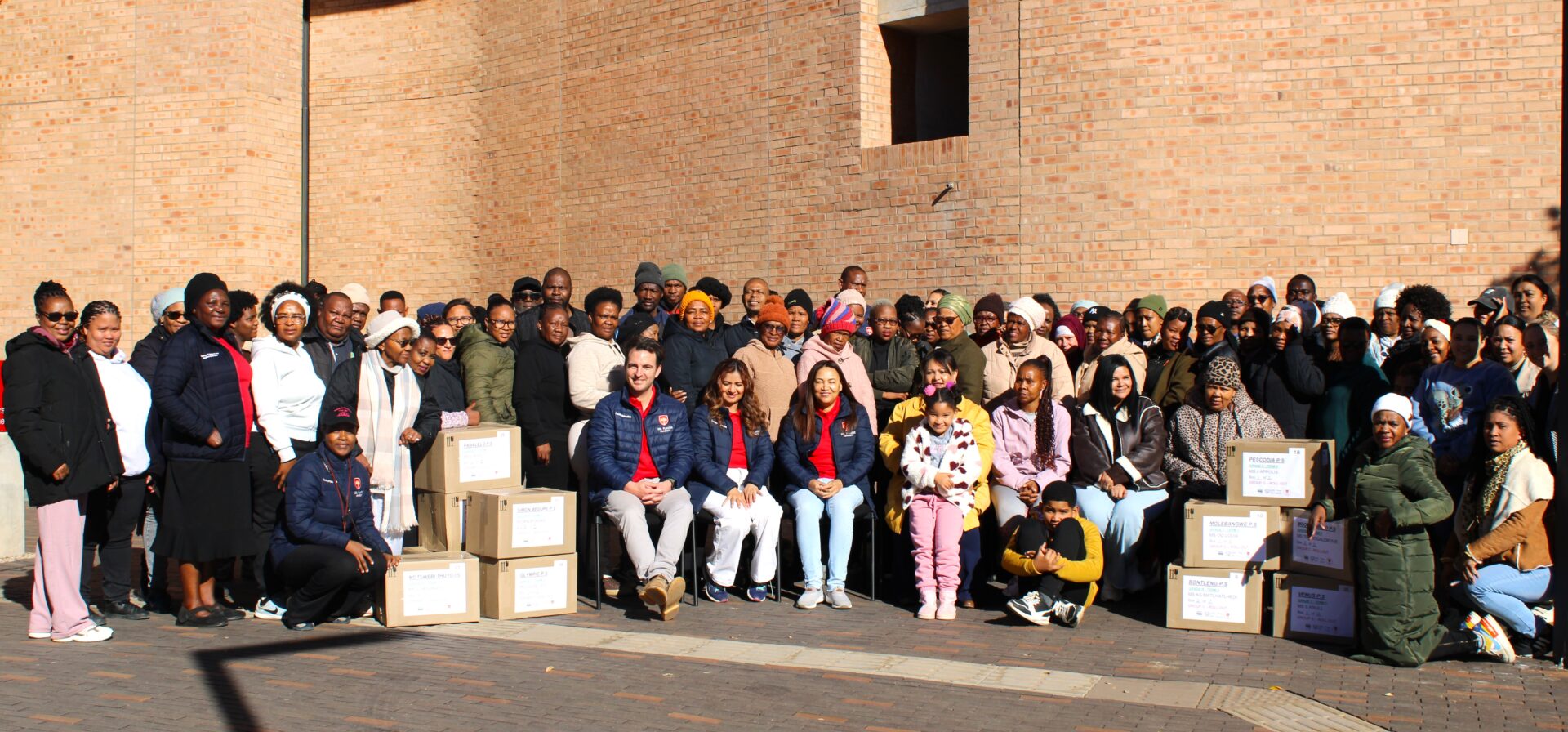
The Science-for-the-Future project at Sol Plaatje University’s (SPU) Faculty of Education continues to strengthen mathematics and science education through sustained professional development and collaboration with teachers across the Northern Cape.
Now in its sixth year, the project is a collaborative teacher development initiative focused on two key areas: Mathematics in the Foundation Phase (Grade R and Grade 3) and Key Science Concepts in the Senior Phase (Grade 8 and Grade 9).
Led by Dr Glynnis Daries, the project team includes Dr Wiets Botes, Dr Tracey Herman, Dr Anita Kunnath, Ms Stella Mutlane, and Mr Tokello Sefatsa. The initiative responds to the challenges learners often experience when engaging with abstract mathematical and scientific concepts by equipping teachers with innovative, learner-centred approaches that make learning more accessible, engaging and meaningful.
As part of the programme, participating teachers receive ongoing professional development through workshops, classroom demonstrations, collaborative lesson planning and practical activities that promote inquiry-based learning and conceptual understanding.
Strengthening Mathematics in the Foundation Phase
Dr Daries and Dr Herman outlined the objectives of the Family Math Project, demonstrating how activities and learning materials can support mathematical thinking, problem-solving, communication and meaningful family involvement in learners’ mathematical development.
The ongoing workshops focus on key Foundation Phase mathematics concepts, including measurement, capacity, number sense and patterns. Through guided demonstrations and group activities, teachers explore practical strategies for teaching these concepts using engaging, hands-on materials that learners can also use at home with their families.
The Family Math component highlights the importance of creating opportunities for children to engage with mathematics beyond the classroom and encourages parents to play an active role in supporting their children’s mathematical development.
Making Science Concepts More Accessible
The project also supports teachers in strengthening their understanding and teaching of challenging concepts within the Senior Phase science curriculum.
Dr Anita Kunnath, Dr Wiets Botes and Mr Tokello Sefatsa facilitated sessions covering topics including atoms and elements, the particulate nature of matter, electricity, forces, energy transfer and cells, among other abstract scientific concepts identified as challenging within the CAPS curriculum.
Teachers have also been introduced to digital technologies, simulations, low-cost practical investigations and contextualised teaching strategies to enhance learner engagement and strengthen scientific reasoning.
These approaches provide teachers with practical tools to move beyond abstract explanations and create opportunities for learners to explore scientific concepts through investigation and practical application.
Building a Community of Practice
Over the past six years, the Science-for-the-Future project has contributed to the development of a strong Community of Practice bringing together Northern Cape teachers, subject advisors, SPU lecturers and Foundation Phase parents.
This collaborative approach encourages the sharing of effective classroom strategies, reflective practice and continued professional learning.
Feedback from participating teachers has indicated increased confidence in teaching complex mathematics and science concepts, greater learner participation, improved parental involvement and enhanced classroom practices.
Through continued collaboration between the University, schools, teachers and communities, the Science-for-the-Future project demonstrates SPU’s commitment to strengthening teacher development and contributing to improved mathematics and science education in the Northern Cape.
