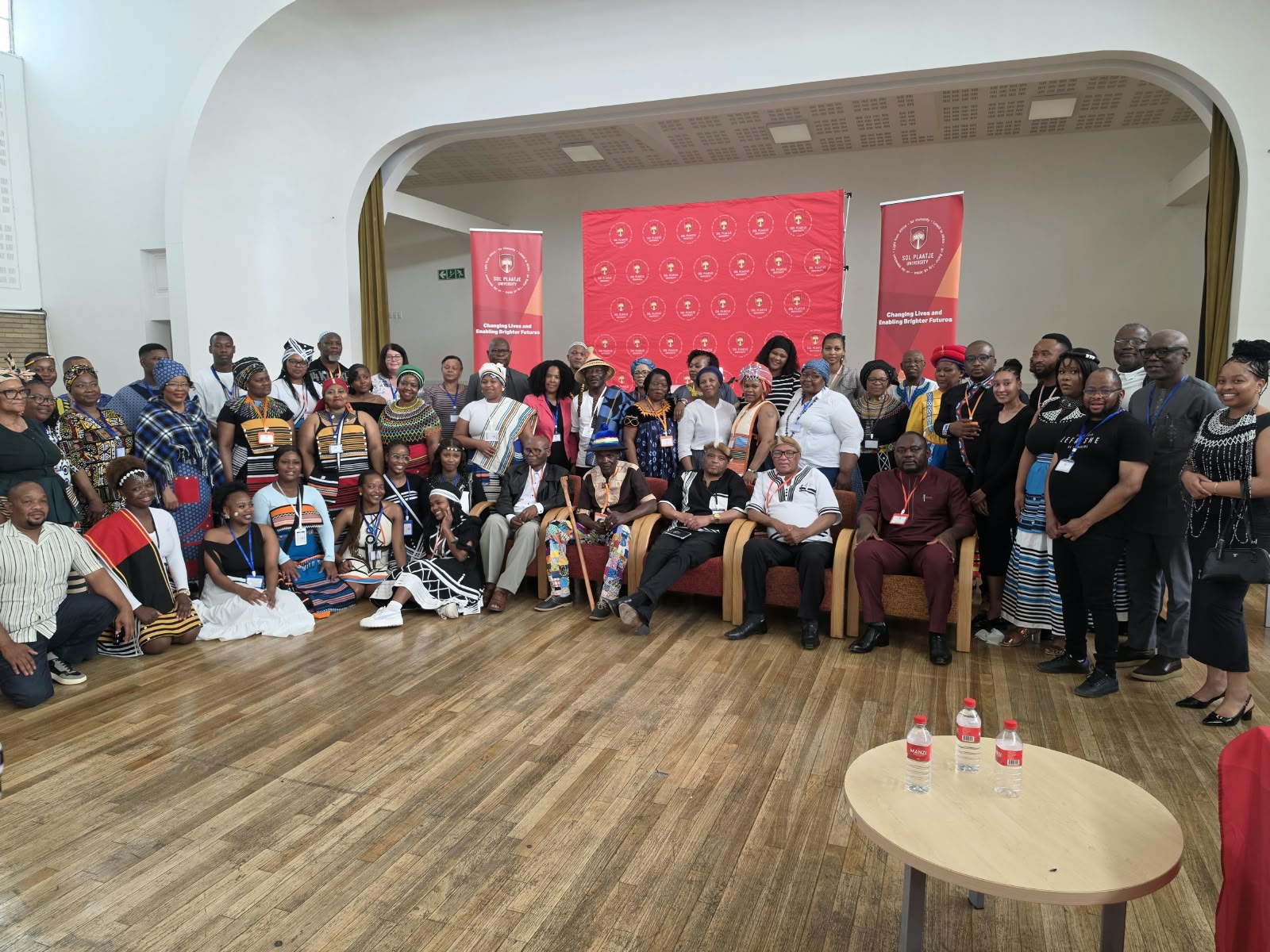
Sol Plaatje University (SPU) brought scholars, education officials, language practitioners, students and community knowledge holders together for its second African Languages Symposium, held at the South Campus on 25 September 2026. Hosted by the Department of Human Sciences Teaching in the Faculty of Education, the symposium was held under the theme “African Languages and Cultural Heritage: Voices, Knowledge, and Shared Futures.”
Led by Prof Raymond Fru, Head of the Department of Human Sciences Teaching, and Prof Dipane Hlalele, Dean of the Faculty of Education, the symposium focused on isiXhosa, Setswana and Afrikaans, reflecting the multilingual character of the Northern Cape and the university. Discussions considered the role of African languages in education, scholarship, cultural preservation and society.
The programme included scholars from Rhodes University and the University of Pretoria, senior officials and subject advisers from the Northern Cape Department of Education, teachers, language practitioners, undergraduate and postgraduate students, officials from the Department of Correctional Services, and representatives from the Pan South African Language Board and the Department of Sport, Arts and Culture. Their participation connected academic discussion with education policy, professional practice and community knowledge.
Paramount Chief Xolile Dawids of the Khoesan community shared perspectives on the history and heritage of Khoesan languages. His contribution brought community knowledge and lived heritage into conversation with academic scholarship.
Bilingual education rooted in learners’ mother tongues was another focus. Chief Director Mhlubulwana of the Department of Basic Education addressed participants on the subject, highlighting the importance of strengthening African languages in the education system.
Dr Nontembiso Jaxa said the department is exploring external funding opportunities to expand the symposium. Support from SPU’s Centre for Teaching, Learning and Professional Development has helped the initiative develop.
The 2026 symposium has also generated scholarly outputs and reflective work, extending its contribution beyond the event and creating opportunities for continued research and collaboration. By bringing academic, policy, professional and community perspectives together, the symposium provides a shared platform for ongoing work on African languages and cultural heritage.
