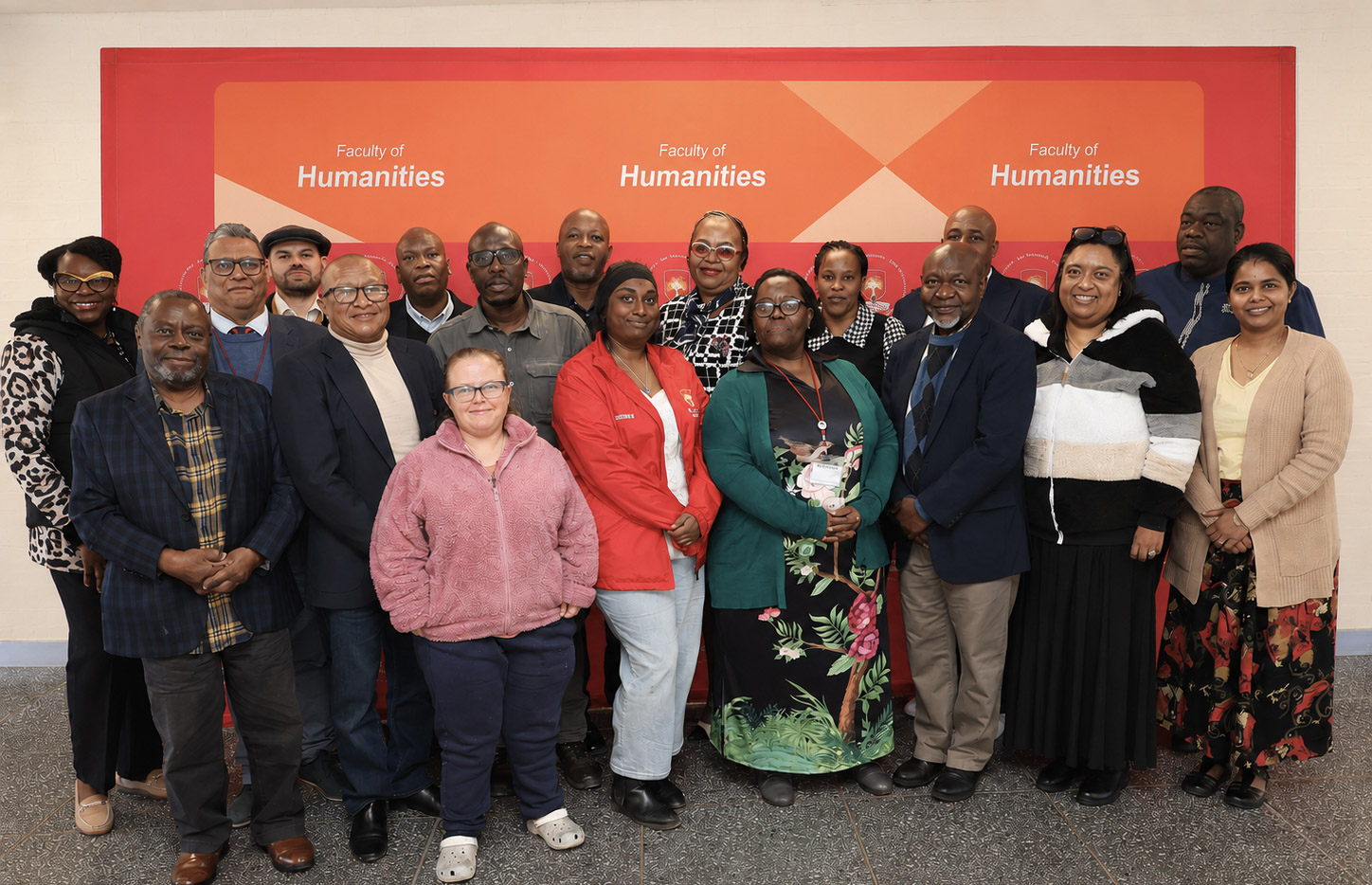
Sol Plaatje University (SPU) recently hosted a delegation from the National Research Foundation (NRF), the Department of Science, Technology and Innovation (DSTI), and the Centre of Excellence in Indigenous Knowledge Systems (CoE-IKS) as part of national consultations on the proposed National Institute on Indigenous Knowledge Systems.
The visit formed part of the NRF’s engagement with universities to assess their capacity and willingness to contribute to the National Institute, which aims to strengthen the preservation, development and responsible use of Indigenous Knowledge Systems (IKS) in South Africa.
Welcoming the delegation, SPU Director of Research, Prof. Olihile M. Sebolai, described Indigenous Knowledge as a valuable national resource that can drive research, innovation and sustainable development. The Deputy Vice-Chancellor: Research, Innovation and Postgraduate Studies, Prof. José Frantz, reaffirmed the University’s commitment to the national Indigenous Knowledge agenda and expressed SPU’s intention to contribute its regional strengths, multidisciplinary expertise and strong community partnerships to the proposed Institute. He described the initiative as a strategic opportunity for the University to help shape the responsible advancement of Indigenous Knowledge Systems in South Africa.
The NRF delegation outlined the vision for the National Institute as a coordinated national platform that will bring together universities, research institutions, government, Indigenous Knowledge holders and communities to advance research, innovation, policy development and the ethical stewardship of Indigenous Knowledge. The delegation also emphasised the importance of equitable partnerships and recognised Indigenous Knowledge as a catalyst for inclusive innovation and sustainable development.
SPU used the engagement to showcase its growing strengths in Indigenous Knowledge through presentations by the soon-to-be-launched Centre for Heritage and Indigeneity in Southern Africa (CHISA), the Centre for Creative Writing and African Languages, and researchers from the Faculty of Humanities whose work aligns with the objectives of the proposed Institute. Collectively, the presentations highlighted the University’s commitment to advancing Indigenous Knowledge through research, postgraduate development and meaningful community engagement.
As an immediate outcome of the engagement, SPU will undertake an institutional mapping exercise to identify academics, research groups and centres involved in Indigenous Knowledge-related research, teaching and community engagement. The exercise will consolidate the University’s expertise, identify flagship niche areas where SPU can make a distinctive contribution, and develop a coordinated institutional position on Indigenous Knowledge Systems.
The findings will inform an Expression of Interest to the NRF, outlining SPU’s intention to participate as a strategic partner in both the Centre of Excellence and the proposed National Institute. The submission will showcase the University’s research strengths, identify opportunities for collaboration and resource mobilisation, and position SPU as a significant contributor to South Africa’s Indigenous Knowledge agenda.
Reflecting on the engagement, the Dean of the Faculty of Humanities, Prof. Russell Viljoen, described the visit as the beginning of an important strategic journey that positions Sol Plaatje University as a key contributor to South Africa’s evolving Indigenous Knowledge landscape and reaffirms the University’s commitment to preserving, advancing and celebrating Indigenous Knowledge for the benefit of present and future generations.
